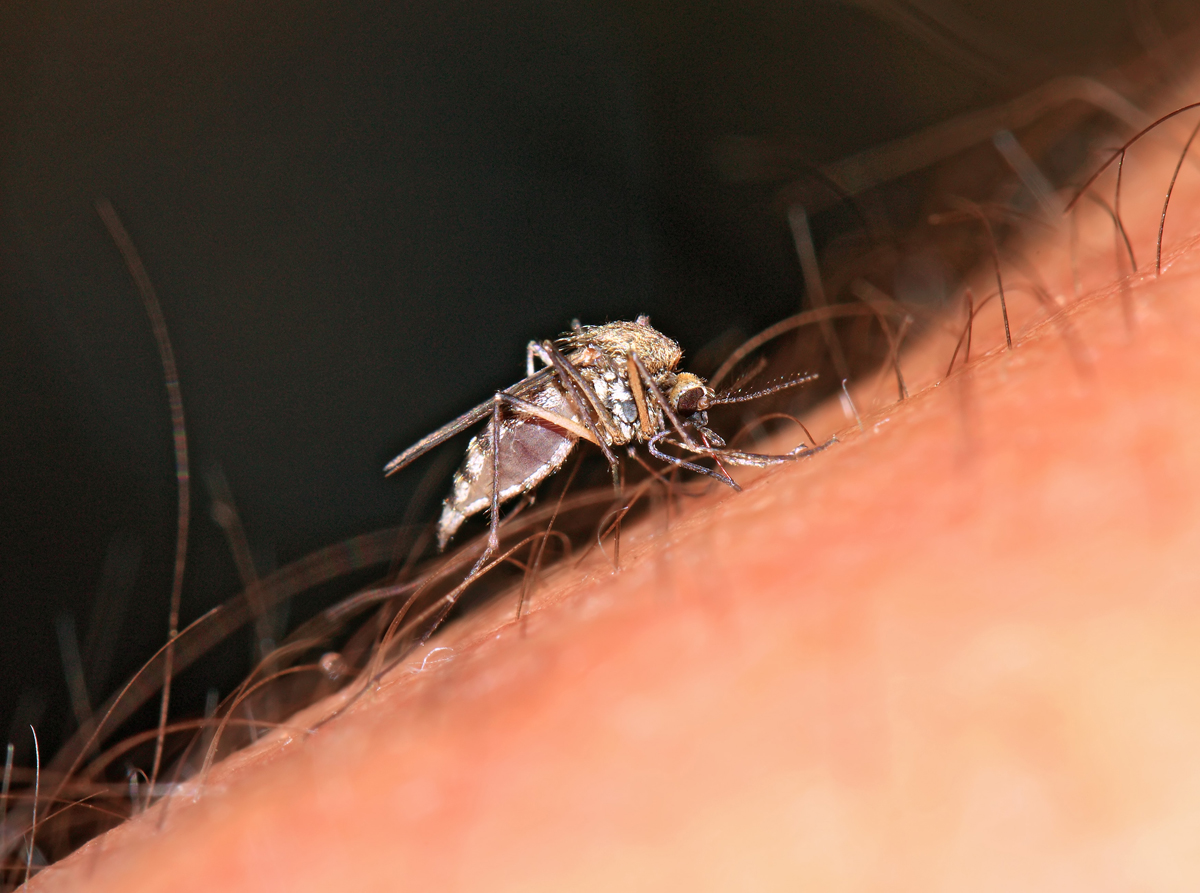
GALION, OH (CRAWFORD COUNTY NOW)—Jennifer Frazier, Director of Environmental Health at the Galion City Health Department, has confirmed that the Ohio Department of Health detected the presence of West Nile Virus (WNV) in a pool of mosquitoes from a trap set in Galion. This marks the first reported WNV mosquito pool within the City of Galion corporation limits this season.
The Galion City Health Department initiated mosquito surveillance activities this summer through a grant from the Ohio Environmental Protection Agency (OEPA). The positive pool was collected on August 17th in the 300 block of South St., and the Ohio Department of Health (ODH) laboratory confirmed the sample tested positive for WNV on August 29, 2024.
Mosquitoes, a common nuisance during summer and early fall, pose a potential health risk as carriers of disease. Eliminating mosquito habitats around homes can significantly reduce the mosquito population. Residents are advised to eliminate standing water whenever possible; bird baths and baby pools should be emptied every five days to prevent mosquitoes from laying eggs. The Galion City Health Department offers free mosquito dunks to residents and businesses to place in sources of standing water, preventing mosquito larvae growth. Additionally, it is recommended to use insect repellent as directed, wear protective clothing at dawn and dusk, and repair window and door screens. The GCHD also provides free mosquito repellent wipes through the Ohio EPA mosquito grant.
West Nile Virus is transmitted to humans and animals through mosquito bites. Mosquitoes become infected when they feed on infected birds.
Most individuals infected with WNV will not experience any illness. However, people aged 50 and older have a higher chance of getting sick and are more likely to develop serious symptoms when infected with WNV. Data indicates that those with diabetes and/or hypertension are at the greatest risk for serious illness. Symptoms experienced by about 20 to 30 percent of people infected with WNV are similar to the flu, including fever, headache, body aches, joint pain, vomiting, diarrhea, skin rash, and swollen glands. More severe symptoms can include high fever, neck stiffness, disorientation, coma, tremors, seizures, and paralysis. Individuals experiencing symptoms should consult their doctor.
For more information on West Nile Virus, visit the Galion City Health Department at galionhealth.org. Additional statistics and information can be found at odh.ohio.gov.